Business Valuation Reports requiring accurate UK translation services are crucial for international mergers, acquisitions, and investments. Specialized translators proficient in business, accounting, and financial jargon ensure reports maintain accuracy, clarity, and consistency across languages. Quality assurance processes involve rigorous multi-step validation, peer review, back-translation, and leveraging specialized software tools. Professional translation services play a vital role in navigating complex regulatory compliance and legal considerations, especially concerning local laws and international standards like GDPR. The future of machine translation (MT), including neural machine translation (NMT), promises to enhance global communication and streamline business valuation processes, allowing experts to focus on high-level analysis.
In today’s global business landscape, clear communication is paramount when dealing with international transactions. One critical document in these deals is the business valuation report, which requires meticulous translation to ensure accuracy and avoid misinterpretations. This article explores the intricacies of translating such reports, highlighting key considerations for professionals in the UK. From understanding industry jargon and cultural nuances to selecting expert services and ensuring quality, we navigate the complexities, offering insights into best practices, legal compliance, and future trends in machine translation for business valuation reporting.
- Understanding Business Valuation Reports: Key Components and Terminology
- The Importance of Accurate Translation for International Business Deals
- Challenges in Translating Business Valuation Reports: Cultural Nuances and Legal Jargon
- Selecting the Right UK Translation Services for Specialized Financial Documentation
- Ensuring Quality Assurance: Best Practices for Validating Translated Reports
- Case Studies: Successful Translations of Complex Business Valuation Documents
- Regulatory Compliance and Legal Considerations for International Business Valuations
- Future Trends in Machine Translation and Its Impact on Business Valuation Reporting
Understanding Business Valuation Reports: Key Components and Terminology
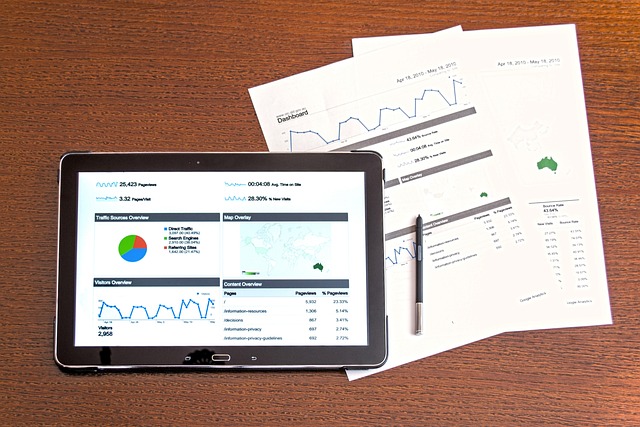
Business valuation reports are crucial documents that provide an in-depth analysis of a company’s worth, often used in mergers, acquisitions, or investment decisions. These reports are detailed and contain various components, including financial data, industry trends, and expert opinions. When translating such reports for international audiences, especially using UK translation services, it’s essential to grasp the key terms and concepts to maintain accuracy and clarity.
The process involves interpreting not just words but also complex business jargon and accounting terminology. For instance, terms like “fair market value,” “discounted cash flow analysis,” or “asset-based valuation” require precise translations to convey the same meaning and weight in different languages. UK translation services specializing in financial documentation should employ translators with a strong background in business and accounting to deliver an accurate and consistent report.
The Importance of Accurate Translation for International Business Deals

In today’s globalised business landscape, accurate and clear communication is paramount, especially when dealing with international transactions. When it comes to business valuation reports, which are crucial documents in M&A (Mergers and Acquisitions) deals, precise translation services play a pivotal role. Inaccurate or unclear translations can lead to misunderstandings, misaligned expectations, and even legal complications.
UK translation services specialising in business valuation reports must therefore adhere to stringent standards. They should employ translators with expertise in both finance and language, who understand the nuances of business terminology and cultural differences. By ensuring these reports are accurately translated, businesses can navigate international deals with confidence, minimising risks and maximising opportunities.
Challenges in Translating Business Valuation Reports: Cultural Nuances and Legal Jargon

Translating business valuation reports presents unique challenges, especially when navigating cultural nuances and legal jargon. These documents are often highly technical and specific to a jurisdiction, making accurate translation a complex task. In the UK, for instance, business valuation reports may include industry-specific terms and references to local laws or accounting standards not readily understandable in other languages.
Professional UK translation services play a crucial role in overcoming these challenges. They employ translators with expertise in both finance and legal fields, ensuring that technical concepts are conveyed precisely. Additionally, these services stay updated on regulatory changes, enabling them to adapt translations to reflect the latest legal landscape, thereby providing clear and reliable reports for international audiences.
Selecting the Right UK Translation Services for Specialized Financial Documentation

When dealing with complex financial documents like business valuation reports, choosing a reliable UK translation service is paramount to maintaining accuracy and integrity. Look for providers specializing in financial translations, as they have the expertise to handle specialized terminology and the nuanced language of business valuations. These professionals should have experience translating for international clients, understanding not just words but the subtle nuances that carry significant meaning in cross-border transactions.
Consider firms with a proven track record in handling similar documentation, robust quality assurance processes, and native English speakers to ensure natural phrasing. Additionally, services offering translation memory tools can help maintain consistency across projects and reduce costs. This meticulous approach guarantees that your business valuation reports are not only translated accurately but also meet the highest standards of professionalism and reliability.
Ensuring Quality Assurance: Best Practices for Validating Translated Reports
When leveraging UK translation services for business valuation reports, quality assurance is paramount to maintaining accuracy and reliability. Validating translated reports involves a multi-step process that extends beyond simple word-for-word rendering. Translators must possess not only linguistic proficiency but also a deep understanding of financial and business terminology. This includes meticulous review of the translated text against the original report to ensure conceptual as well as grammatical fidelity.
Best practices include implementing quality control measures such as peer review by subject matter experts, back-translation by native speakers, and utilizing specialized software tools for linguistic and stylistic consistency. Additionally, fostering open communication with the translation service provider, including clear specifications and ongoing feedback, helps align expectations and deliver reports that meet the highest standards of professionalism and accuracy.
Case Studies: Successful Translations of Complex Business Valuation Documents

When it comes to business valuation reports, accuracy and clarity are paramount. In the UK, where businesses operate in a diverse linguistic landscape, reliable translation services play a crucial role. Many complex documents have successfully navigated the language barrier thanks to specialized translators who understand not just words but also the nuances of financial terminology.
Case studies highlight the impact of high-quality translations. For instance, a multinational corporation expanding into the UK needed an accurate translation of its intricate valuation report to facilitate seamless integration with local partners. The translated document maintained the original structure and critical information, enabling stakeholders to interpret the data confidently. This success story underscores the importance of professional translation services in ensuring clarity and preserving the integrity of business valuation reports across borders.
Regulatory Compliance and Legal Considerations for International Business Valuations

When translating business valuation reports for an international audience, it’s crucial to navigate the complex landscape of regulatory compliance and legal considerations. In the UK, for instance, these reports are subject to specific laws and guidelines that ensure transparency and accuracy. Professional translators engaged in UK translation services for business valuation reports must have a deep understanding of these rules to avoid legal pitfalls. This includes familiarity with accounting standards, tax regulations, and data privacy laws like GDPR, which can impact the content and format of the translated document.
Proper interpretation and adaptation of these legal and regulatory elements are essential. Missteps could lead to discrepancies, misunderstandings, or even legal non-compliance in foreign markets. Translators must stay abreast of cross-border legislative changes affecting business valuations to deliver precise, up-to-date reports that meet international standards. This meticulous approach guarantees that the translated valuation accurately reflects the original intent while adhering to the legal framework of each target market.
Future Trends in Machine Translation and Its Impact on Business Valuation Reporting

The future of machine translation (MT) is promising, with advancements set to transform the way we communicate across languages. As technology evolves, MT will become increasingly sophisticated, offering more accurate and contextually appropriate translations. This development has significant implications for business valuation reports in the UK and globally. With improved MT capabilities, businesses can leverage these tools to streamline their reporting processes, ensuring faster and more efficient valuations.
For instance, neural machine translation (NMT) models, which mimic the human brain’s neural networks, are expected to gain traction. NMT provides better understanding and retention of sentence structure and semantics, resulting in higher-quality translations. This could mean that business valuation reports, often containing complex financial terms and industry jargon, would be handled with greater precision, reducing potential misinterpretations or errors. Additionally, the integration of MT into existing software and platforms used by business appraisal professionals could automate portions of the translation process, allowing experts to focus on critical analysis rather than language conversion.
In ensuring clarity in translated business valuation reports, navigating cultural nuances and legal jargon is paramount for international business deals. The UK’s specialized translation services play a pivotal role in enhancing accuracy and compliance. By adopting best practices for quality assurance and leveraging regulatory guidelines, businesses can successfully navigate complex valuations, fostering trust and transparency across borders. As machine translation continues to evolve, staying informed about its impact on reporting standards will be crucial for the future of international business valuation.